
The Wheat Is In: Kansas Fields Turn to Winter
Kansas plants more winter wheat than almost anywhere. By the first week of November the drills have mostly gone quiet, and the crop's fate passes to weather.
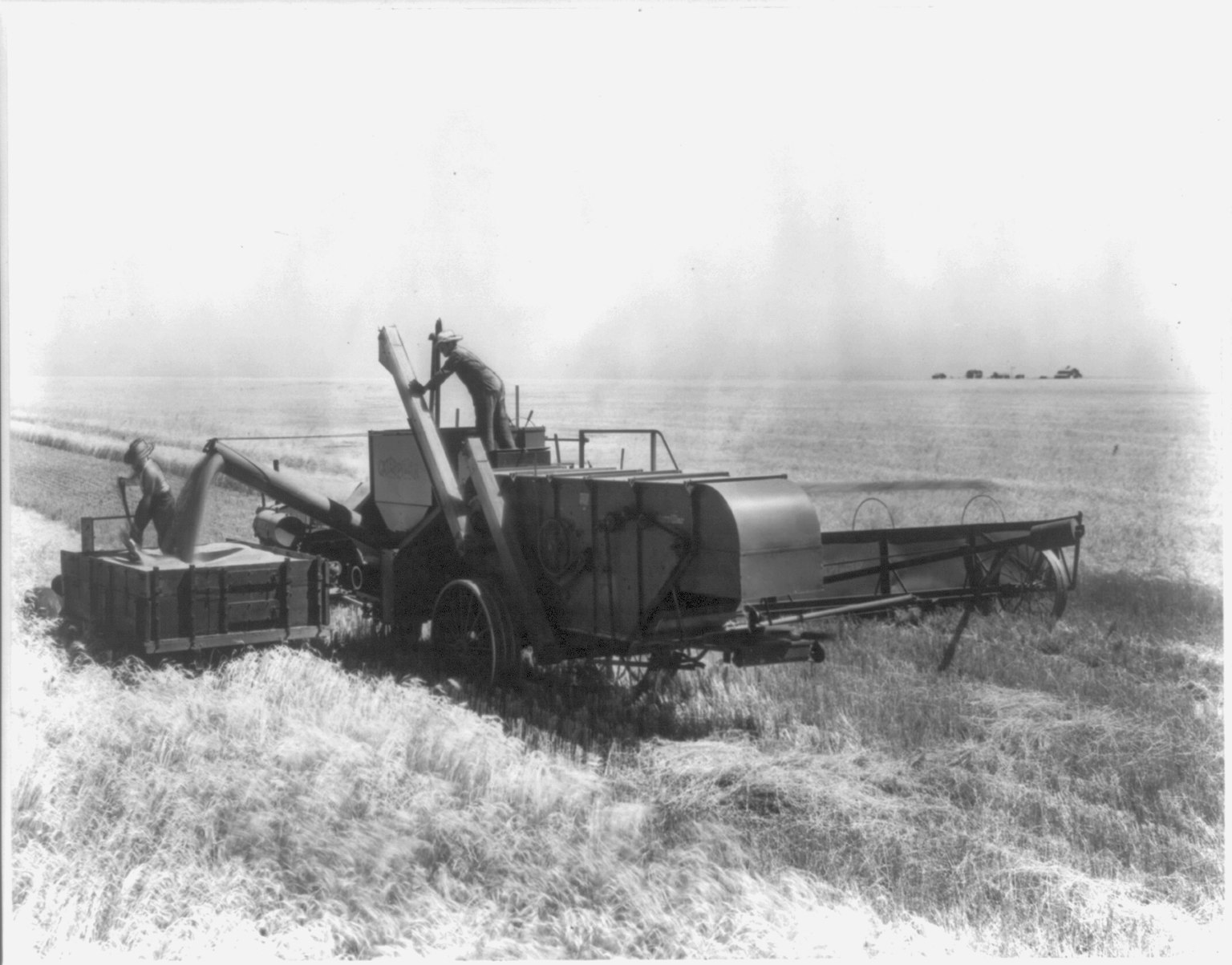
By early November, Kansas farmers have largely finished the fall ritual that defines the state's landscape: seeding winter wheat, the crop that covers millions of Kansas acres and turns them green through the cold months before harvest the following summer.
Kansas is perennially among the nation's top wheat states, and hard red winter wheat — the bread wheat milled across the plains — is its signature variety. Planting runs through September and October, timed so the crop can establish roots before dormancy.
The wheat year that matters most now is the one nobody can manage: winter precipitation. Soil moisture carried into dormancy, snow cover during the coldest snaps and spring rains decide whether a Kansas wheat crop makes bumper yields or gets abandoned to drought, a cycle the state's farmers and grain elevators know by heart.
Agricultural economists also watch the crop's second job: much Kansas wheat is grazed by cattle through the winter, linking wheat prices to the state's cattle feeding industry around Garden City and Dodge City.
State and federal crop reports issued through the fall track planting progress, emergence and condition ratings, giving elevators, railroads and flour mills an early read on the 2027 harvest.
For drivers crossing Kansas this month, the sign of the season is subtle: pale green fields stretching to the horizon, waiting on weather.
